


South London College
Work placement & career support

Move from learningto working with confidence

We bridge the gap between academic theory and practical work. Get expert, course-specific guidance to plan your practical experience and prepare for your next professional step.

Contact advisor
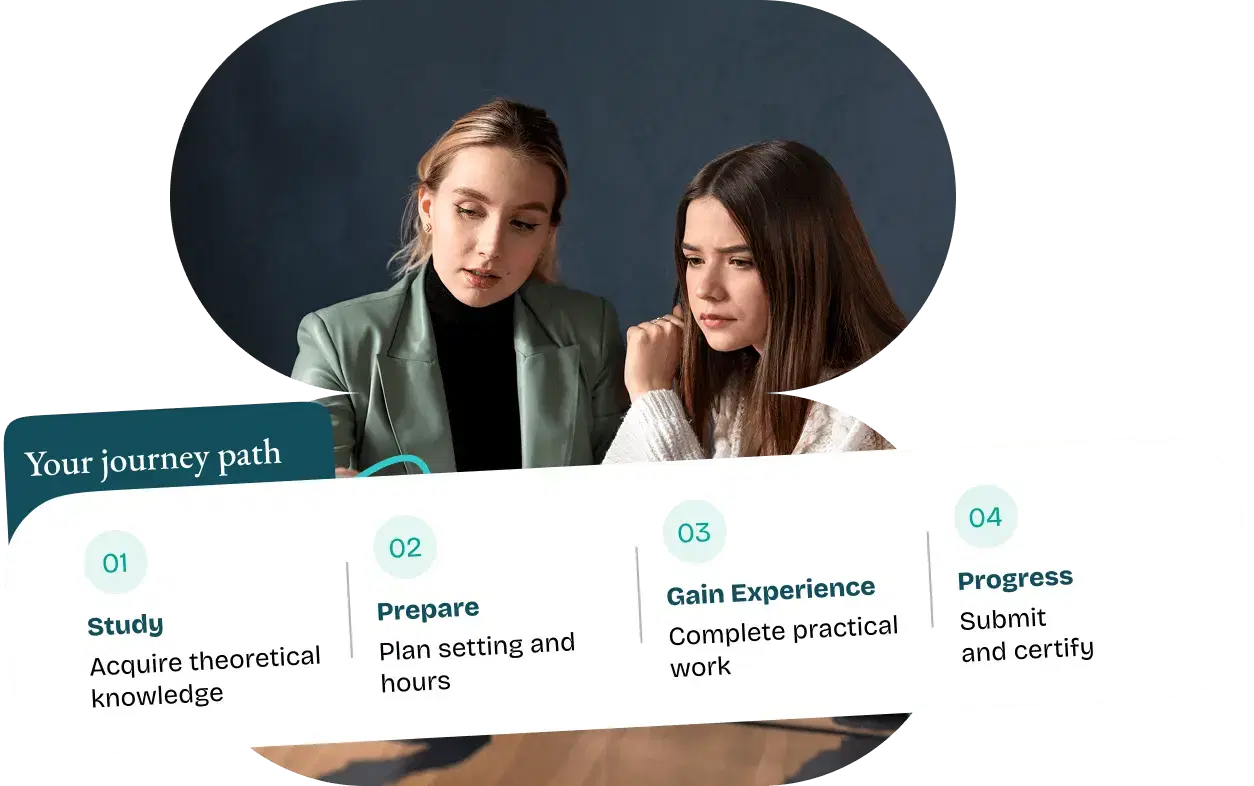
Two professionals reviewing placement documents, with a four-step journey path from study to certification

Four routes. One team.

Find the route that matches your situation, then confirm your course requirements with the Academic Team.

  • Teacher and children learning together in a colourful classroom
    Most common

    Compulsory qualification placements

    Your qualification may require workplace hours, observations or practical tasks. The setting must let you meet the assessment criteria, so check before you begin.

    Examples: health and social care, childcare, teaching support

  • Professionals collaborating in a meeting room

    Career experience placements

    Want real experience before applying for jobs? Whether you are still studying or have finished, a placement helps bridge study and work.

    Best for: building experience first

  • Trainer presenting to a group in a workshop setting

    Skills development placements

    Already employed? Try a different role or department, prepare for promotion, and put new knowledge into practice.

    Best for: progressing in your field

  • Professional working on a laptop in a modern workspace

    Career change and return to work

    Switching sectors or returning after a break? Get to know the industry and show employers your experience is current.

    Best for: a fresh start or a comeback

Your journey in 8 steps

From your first application to life after placement, in four phases. Every step depends on your eligibility and on what is available.

  1. Prepare

    Step 01, Prepare phase: Apply for work placement support

    Complete the application form on this page with your course, hours needed, goals, location and availability.

  2. Prepare

    Step 02, Prepare phase: Eligibility and requirements check

    Our team reviews your application and confirms your eligibility, hours and assessment criteria.

  3. Find

    Step 03, Find phase: Placement matching

    We search our network of connected and partner organisations, based on your course, location and goals.

  4. Find

    Step 04, Find phase: Employer introduction and confirmation

    We introduce you to a suitable organisation and help arrange the interview or meeting, paperwork and checks. Your placement is confirmed only once these are complete.

  5. Do

    Step 05, Do phase: Placement preparation and induction

    We explain what to expect, from objectives and hours to evidence and responsibilities. The organisation then inducts you into the workplace.

  6. Do

    Step 06, Do phase: Start your work placement

    Begin building real experience, complete your agreed hours and gather workplace evidence if your course needs it.

  7. Do

    Step 07, Do phase: Progress, support and completion

    We stay in contact, track progress where relevant and help resolve problems. At the end, we review your hours, employer feedback and evidence.

  8. Next

    Step 08, Next phase: Beyond your placement

    Strengthen your CV and applications with what you have learned. Career and learning guidance may be available to help you move into work or onto your next qualification.

How we support your placement

Whatever stage you are at, from decoding your requirements to handing in your evidence, we are there to guide you.

  1. 01

    Understanding your requirements

    Find out whether your course makes a placement compulsory, which workplace suits it, how many hours you need and what evidence, observation and supervisor input applies.

  2. 02

    Searching for a placement

    Get advice on finding suitable employers, approaching them professionally, writing an introduction and using professional networks and job platforms.

  3. 03

    CV and employability guidance

    Prepare stronger applications with help on your CV, cover letter, professional profile, interview technique and workplace communication.

  4. 04

    Connecting with employers

    Where we have the right relationships, we contact employers about openings for eligible learners. What is available depends on sector, location and suitability.

  5. 05

    Academic and assessment support

    Learn what to produce for compulsory placements, such as logs, timesheets, reflective accounts, witness statements, observations and portfolios.

Two professionals standing together, ready to start a work placement

Put your learning to work in a real workplace.

Ready to take the next step? Tell us about your course and we will start with an eligibility check.

Do you meet the requirements?

Work placement support is usually for eligible learners. These are the things we will typically look for.

  • You are actively engaged with your studies
  • You meet any academic or progression requirements
  • You have a genuine qualification, career or skills need
  • You are enrolled on a relevant South London College programme
  • You communicate well and act professionally
  • You can provide an up-to-date CV where required
  • You have completed the necessary application documents
  • You can meet the employer’s requirements, including any checks or legal right to take part

Important limitations and conditions

We want your expectations to be realistic from the start. Please read these points before applying.

  • Placements are not guaranteed

    Availability depends on employer space, industry demand, your location, suitability, required hours, and safeguarding and legal checks.

  • You play an active part

    We support your search, but you are encouraged to approach suitable employers yourself too.

  • Employers decide for themselves

    Employers are independent. They run their own selection and may decline an application or end a placement under their own procedures.

  • A job is not promised

    Completing a placement does not guarantee paid work, though the skills and references you gain can strengthen future applications.

  • Your qualification rules apply

    For assessed or regulated courses, the workplace and activities must meet your assessment requirements.

  • Location and availability

    Opportunities differ by area and sector. We cannot promise one within a set distance of home or with a specific organisation.

  • Travel and other costs

    Unless clearly agreed otherwise, you cover your own travel and personal expenses.

  • Paid or unpaid

    Never assume a placement pays. Entitlement depends on the arrangement and the law, so clarify payment and expenses before you start.

How to apply for a work placement

Securing a placement works best when you take the lead. Prepare with the steps below, then submit your request through the form.

Before you apply

  1. Step 1: Pin down your reason

    Is it a qualification requirement, career development, new skills or a change of direction?

  2. Step 2: Check what your course needs

    Speak to the Academic Team about hours, suitable workplaces and roles, evidence, supervisor requirements and how you will be assessed.

  3. Step 3: Gather your details

    Have your Learner ID, course, study stage, CV, certificates, preferred sector, location and availability to hand.

  4. Step 4: Know how employers select

    They may ask for an application, interview, references, ID, qualifications, occupational health information or a DBS check.

  5. Step 5: Get the placement approved

    If it counts towards assessment, confirm its suitability before you start, or your hours may not count.

  6. Step 6: Make the most of your time there

    Turn up on time, behave professionally, follow policies, protect confidentiality and keep accurate records of your hours.

  7. Step 7: Hand in your evidence

    Follow your assessor’s or the Academic Team’s instructions.

Ready for real-world experience?

Step 1 of 5

Tell us about your course and placement goals.

1. Your details

Your details are handled under our Privacy Policy.

Who is responsible for what

A placement succeeds when everyone does their part. Here is how the work is divided across 18 stages and 4 phases, from the first request to what comes next.

Responsibleleads this stage
Supporthelps or takes part
—no part
Who is responsible for what
StageYou (learner)South London CollegePlacement organisation
01Before your placement· 8 stages
Placement requestResponsibleSupport—
Eligibility reviewProvide informationResponsible—
Qualification requirementsUnderstand themConfirm—
Workplace preparationResponsibleSupport—
Placement searchResponsibleSupportMay offer an opportunity
Application and interviewResponsibleSupportResponsible
Placement suitabilityCooperateResponsibleResponsible
Placement agreementResponsibleResponsibleResponsible
02During your placement· 5 stages
Workplace inductionTake partAcademic guidanceResponsible
AttendanceResponsibleMonitor where applicableMonitor
Workplace supervisionTake partSupportResponsible
Placement evidenceResponsibleAssess and guideVerify and support
Progress reviewResponsibleResponsibleResponsible
03Completing your placement· 3 stages
Final check of hoursCheckReviewResponsible
Employer feedbackReceiveReviewResponsible
Academic assessmentSubmit evidenceResponsibleSupport
04After your placement· 2 stages
Career progressionResponsibleSupportPossible opportunities
Further learningResponsibleAdvise—

Start your work placement journey

Choose the path that fits you. Whether you are a learner or an employer, we will point you to the next step.

  • For learners

    Already a South London College learner?

    Share your course, placement needs, preferred sector, location and availability, and we will start with an eligibility check.

  • Course requirements

    Not sure what your course requires?

    Unsure whether you need a placement or how many hours? The Academic Team can confirm it for you.

  • For employers

    Are you an employer?

    Offer workplace experience and meet motivated learners ready to build skills in your industry.

Work placement support is for eligible learners. Placements, specific employers and jobs are not guaranteed.